
The allure of chance: Why we gamble
The thrill of gambling is deeply rooted in the human psyche. The concept of chance and the potential for instant rewards creates an irresistible allure for many. Casinos capitalize on this by creating environments rich in sensory stimulation, from flashing lights to the sounds of coins clinking. This combination triggers our dopamine responses, encouraging players to continue playing in hopes of achieving that exhilarating win. For some, these enticing atmospheres even evoke the temptation of sweeps casinos, where the excitement comes with the possibility of significant rewards.

Moreover, the unpredictability of outcomes often leads to an emotional rollercoaster, where players experience highs and lows that keep them engaged. The psychological phenomenon of ‘loss aversion’ plays a significant role, where the fear of losing can be more potent than the joy of winning, driving players to make decisions that they would not typically consider.
The role of cognitive biases in gambling
Cognitive biases heavily influence gambling behavior. One prevalent bias is the ‘gambler’s fallacy,’ the belief that past outcomes can affect future events. For instance, if a player sees a slot machine hasn’t paid out in a while, they might believe it is ‘due’ for a win. This misconception can lead to extended play and higher losses.
Additionally, confirmation bias reinforces existing beliefs about gambling. If a player believes they have a winning strategy, they will seek out outcomes that validate their belief while ignoring instances that disprove it. This skewed perception can create a distorted understanding of luck and skill, often leading to poor decision-making at the tables.
The impact of environment on gambling behavior
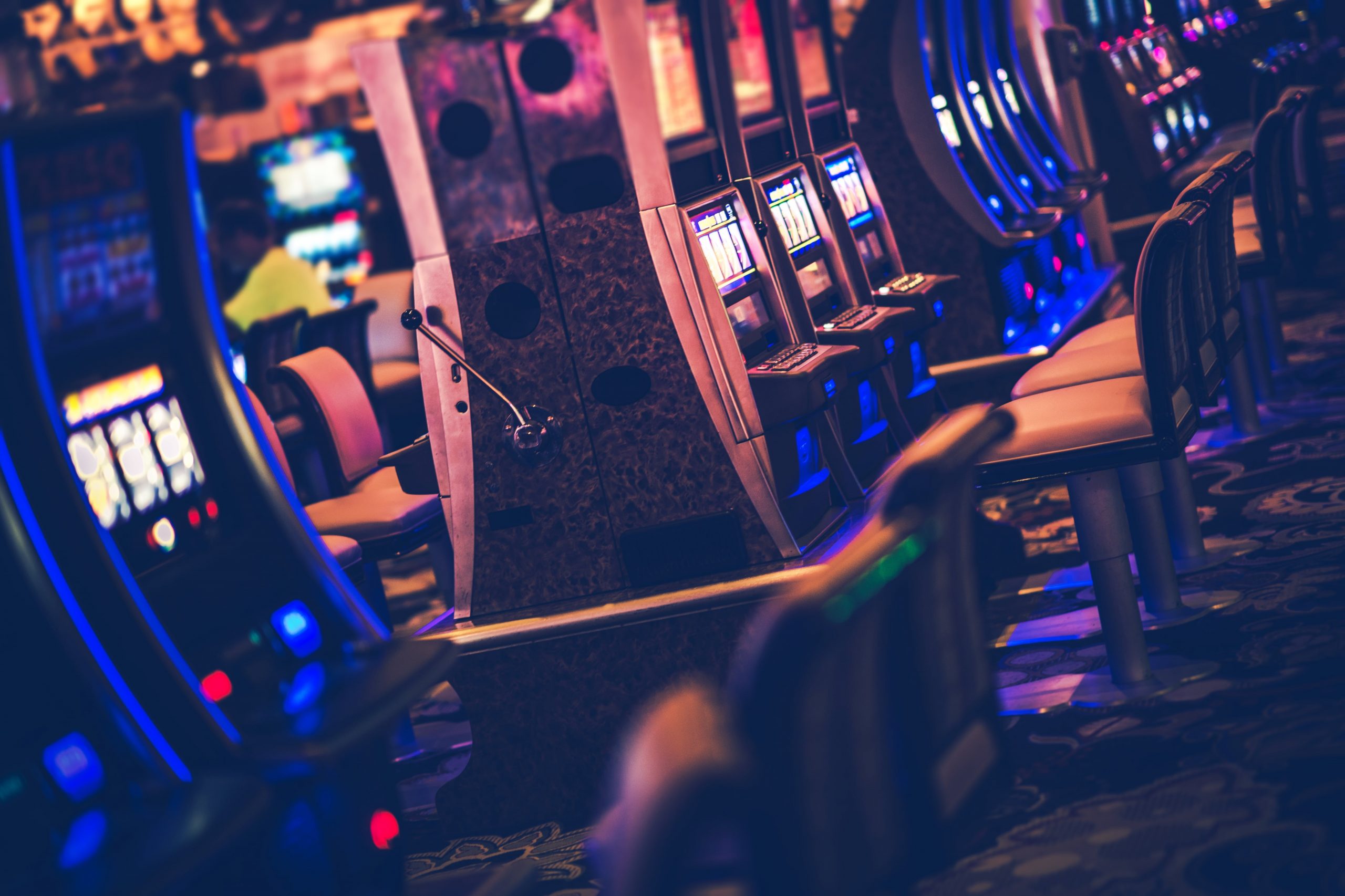
The casino environment is meticulously designed to enhance the gaming experience and maximize player spending. Elements like lighting, music, and layout are carefully chosen to create a sense of comfort and excitement. Studies show that the ambient atmosphere can significantly influence a player’s decision-making, often leading them to gamble more than intended.
In addition, the presence of alcohol and the social dynamics within a casino can alter a player’s judgement. Social interactions can create a sense of belonging and shared experience, making it easier for individuals to justify continued play. The collective energy of the crowd can stimulate emotions, leading to impulsive decisions that might not occur in a more subdued setting.
Strategies for responsible gambling
Understanding the psychological elements at play in a casino can help players develop strategies for responsible gambling. Setting limits before entering the gaming floor can serve as a protective barrier against excessive spending. By defining a budget and sticking to it, players can enjoy the thrill of gambling without falling into financial distress.
Another effective strategy is to take regular breaks. Stepping away from the gaming action allows players to reassess their emotions and evaluate their gambling behaviors. Being aware of one’s mental state can help in recognizing when to walk away, ensuring that gambling remains a fun and entertaining pursuit rather than a compulsive habit.
How websites can enhance your gambling experience
With the rise of online gambling, many websites focus on creating an engaging experience that mirrors the traditional casino atmosphere. These platforms often employ advanced analytics to personalize user experiences, understanding the psychology behind player preferences and behaviors. This tailored approach can enhance enjoyment and potentially increase user retention.
Furthermore, responsible gaming tools are increasingly available on these websites. Features such as self-exclusion options and budget trackers help players maintain control over their gambling habits. By fostering a safe environment, online casinos can promote a healthier relationship with gambling, empowering players to make informed decisions while enjoying their experience.